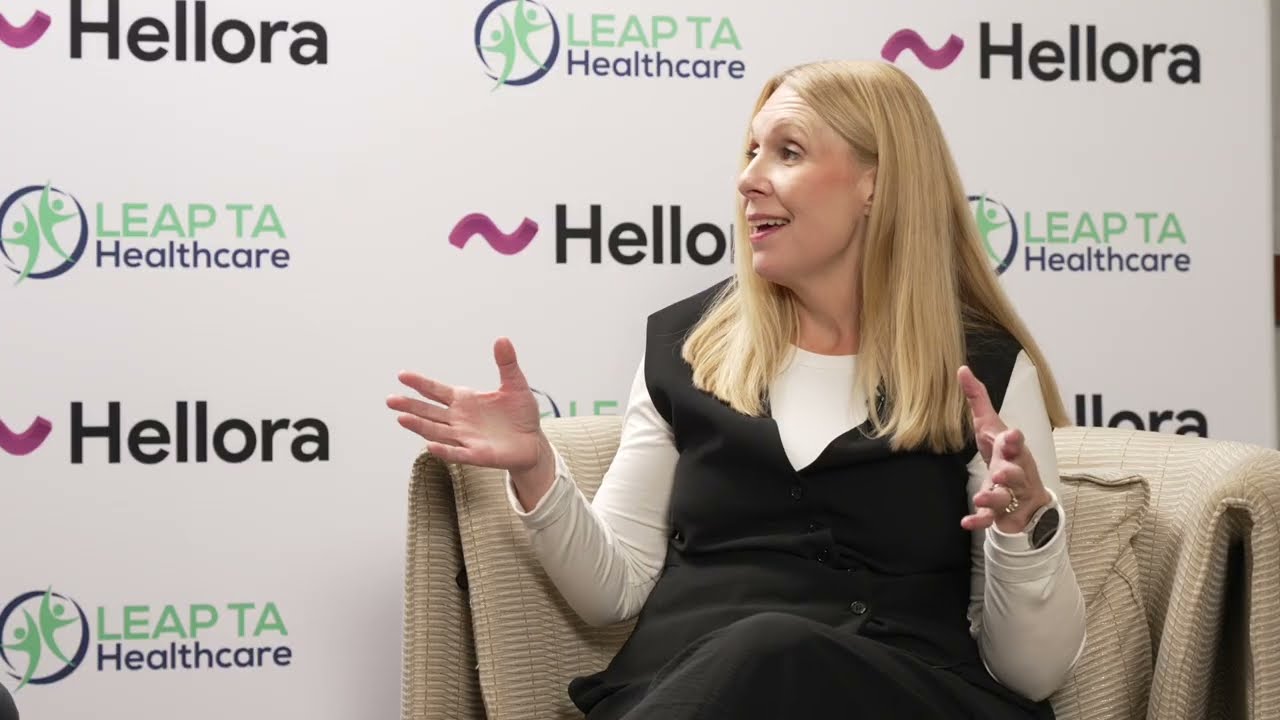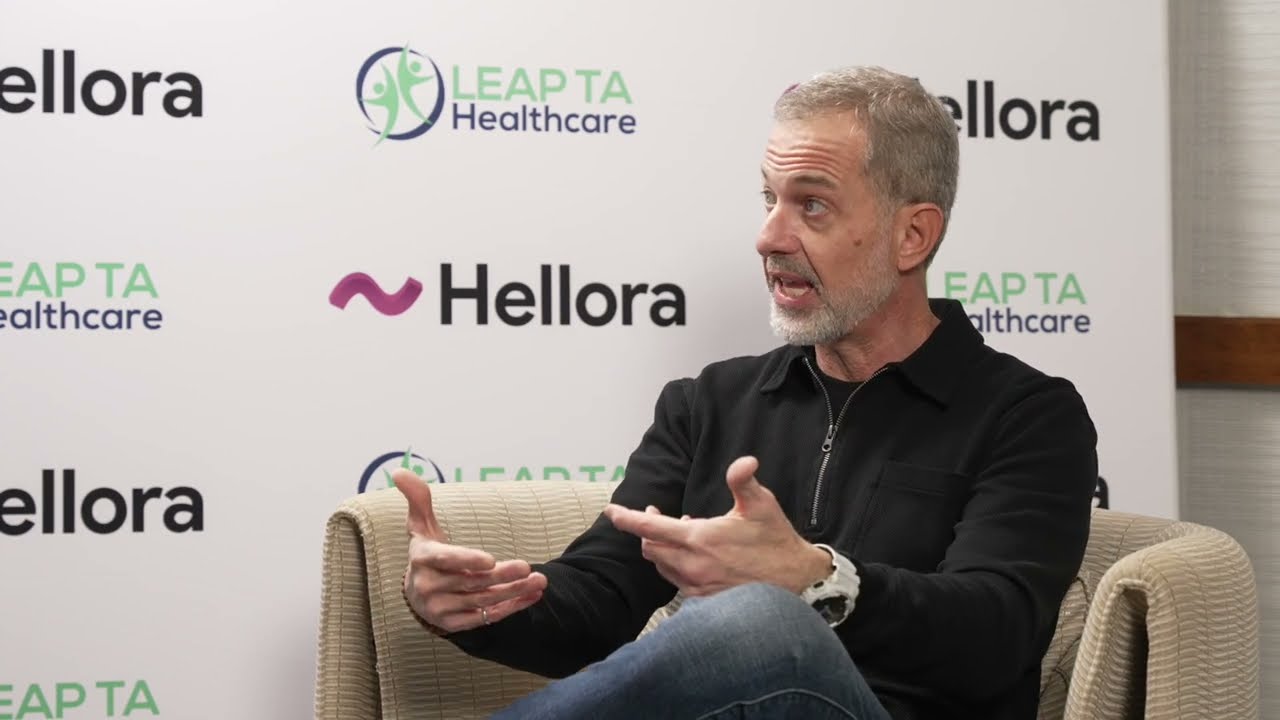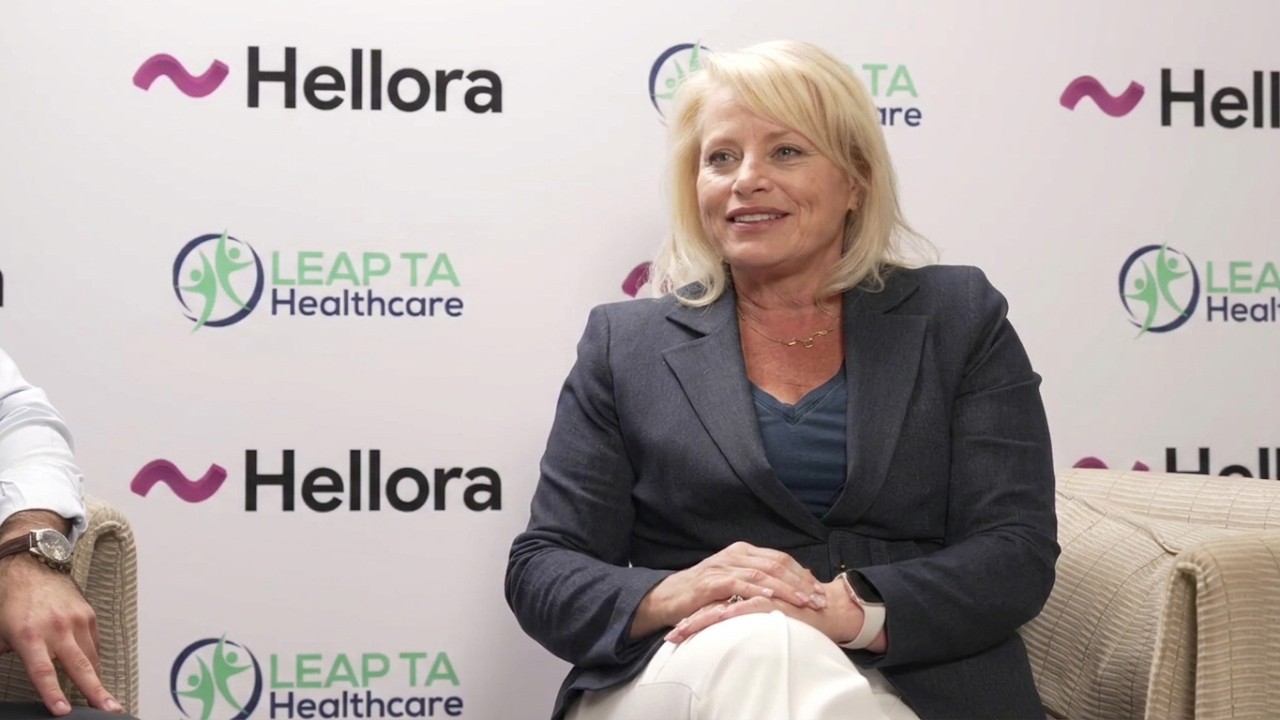
Tawfiq: Hi everyone, I'm Tawfiq, co-founder and CEO here at Hellora. We're at the LEAP TA Healthcare Conference, and I'm with Chrystyna Gonzalez from Advocate Health. Hi, Chrystyna. Welcome.
Tawfiq: Chrystyna, you spoke yesterday in your session about reimagining strategic sourcing within the talent segmentation model. Tell us more about your session.
Chrystyna: At Advocate Health, we've taken an approach to reimagine how we attract and scale within our talent acquisition organization. Yesterday's session was an overview of how we built and scaled our strategic sourcing model, which is essentially our internal business consultant team. We leverage market intelligence and sourcing to materially influence hires within the premium talent segmentation model. When you think of vice chairs, academic roles, and AVP and director-level roles, that's where my strategic sourcers are focused.
Tawfiq: I know you came from a non-healthcare background. How did that help you in this new role?
Chrystyna: Great question. Outside healthcare, I historically had more enhanced processes and more tools at my fingertips, so coming into healthcare has been very unique. It's presented some challenges, but also a great opportunity to scale and really flourish, building something I'm extremely passionate about within a very matrixed organization. As I said yesterday, I'll never forget my manager at my first HR job telling me, we're not saving lives. Today, we're hiring the talent that does save lives. Bringing in that talent quickly is something I'm so proud to be part of.
Tawfiq: Did anything surprise you coming in?
Chrystyna: Yes. I don't want to say fragmented, but there was a lack of structure, and not just within sourcing. There were a lot of ops model changes, and tools that our sourcing teams either weren't provided or weren't leveraging correctly. Some upskilling had to be done. What surprised me was the coach-player role: making sure my team had the right tools and resources to succeed, and figuring out where we fit in an organization with multiple business processes across different regions. The level of work was the biggest surprise. It was, put your head down, we've got to go.
Tawfiq: There's a lot to do. When you stepped back and looked at everything, how did you choose where to start?
Chrystyna: I'd consider myself very fast. I operate very fast. So having to step back and say, wait, you can't go from zero to 100 as fast as you want to, took a second. I had to assess where we could make the greatest impact in a short amount of time, and identify the organization's priorities and where that impact had to be. Coming from extremely large organizations outside healthcare, I'm so used to speed and multitasking that building something new meant telling myself to slow down and take small steps, not one big step.
Tawfiq: A lot of people say speed is usually lacking in healthcare recruiting, and people from outside healthcare come in wanting to move fast. How do you make sure you're moving fast without overstepping?
Chrystyna: A lot of it has to do with collaboration: having discussions with your partners, creating synergies, and making sure that where we need speed, we're operating or automating tasks to provide it. A lot of the sessions in the last 24 hours have been about where AI comes in to automate, enhance, and scale that speed, and where the human touch is most critical. But there's still a sense of speed around that too.
Tawfiq: How important is it to have the right executive leaders backing you? Advocate Health is huge. Did you have leaders saying, we trust Chrystyna, let her do what she needs to do?
Chrystyna: It's extremely important. I did have that from past co-workers, but to build trust, you have to prove it, and for some, it's starting from ground zero. The way I built trust was showing results as fast as I could, with data behind them. How can I exceed expectations, and how can I make sure we're in this partnership together? We all share the same goals and commitments to the business, so how do we get there together? That's how I've established trust with my peers.
Tawfiq: What's one early result where you could say, here's what we did, here's the result, now give me more so I can build more?
Chrystyna: Perfect timing. From a market intelligence perspective, my team has upskilled so quickly. One specific example is our VP of imaging search for Wisconsin and Illinois. Bringing market intelligence and recommendations on how to expand the talent strategy really connected the dots and built collaboration. On top of that, from a sourcing perspective, the quality of talent, the communication, the hires, and the agency avoidance allowed that trust to grow. As of today, we're expanding my team to centralize it. It's a very exciting time to scale and make that impact at Advocate.
Tawfiq: Right now it's an employer's market in some industries, where one job posting gets lots of applicants. But in healthcare, it's still an employee's market in certain segments, especially hard-to-fill roles like nursing, imaging, allied health, and some VP roles. The nurse can choose where to go, so you have to sell the role. How does that change things for you?
Chrystyna: It changes our day-to-day. We couldn't do our jobs without our talent attraction team and the resources and employer branding they provide, so we can go out and sell. Sourcing is essentially selling and building relationships. I wouldn't be successful without my talent attraction peers. It's key.
Tawfiq: Last question. What's one problem people aren't thinking about that you have in mind at Advocate Health?
Chrystyna: I'd say the RT shortage. I feel like everyone's talking about that one, but it's huge on our radar right now.
Tawfiq: Can I ask another question? What's your biggest takeaway from LEAP TA Healthcare here in Dallas?
Chrystyna: We're all in the same boat. Building the relationships we've built in the last 36 hours, the biggest takeaway has been: how do we move at scale, and how do we scale with speed? When we think about the healthcare shortage we've discussed, we're all in this together. It's created a team environment. How do we structure talent acquisition? How can we take these relationships and continue them outside the conference, sharing best practices on how we're attacking the market and attracting people to work for us, and operate as a team?
Tawfiq: I love that. Chrystyna, thanks for joining us.
Chrystyna: Thank you for having me.
Tawfiq: It's been a pleasure. Safe flight home.
Chrystyna: Thank you so much.