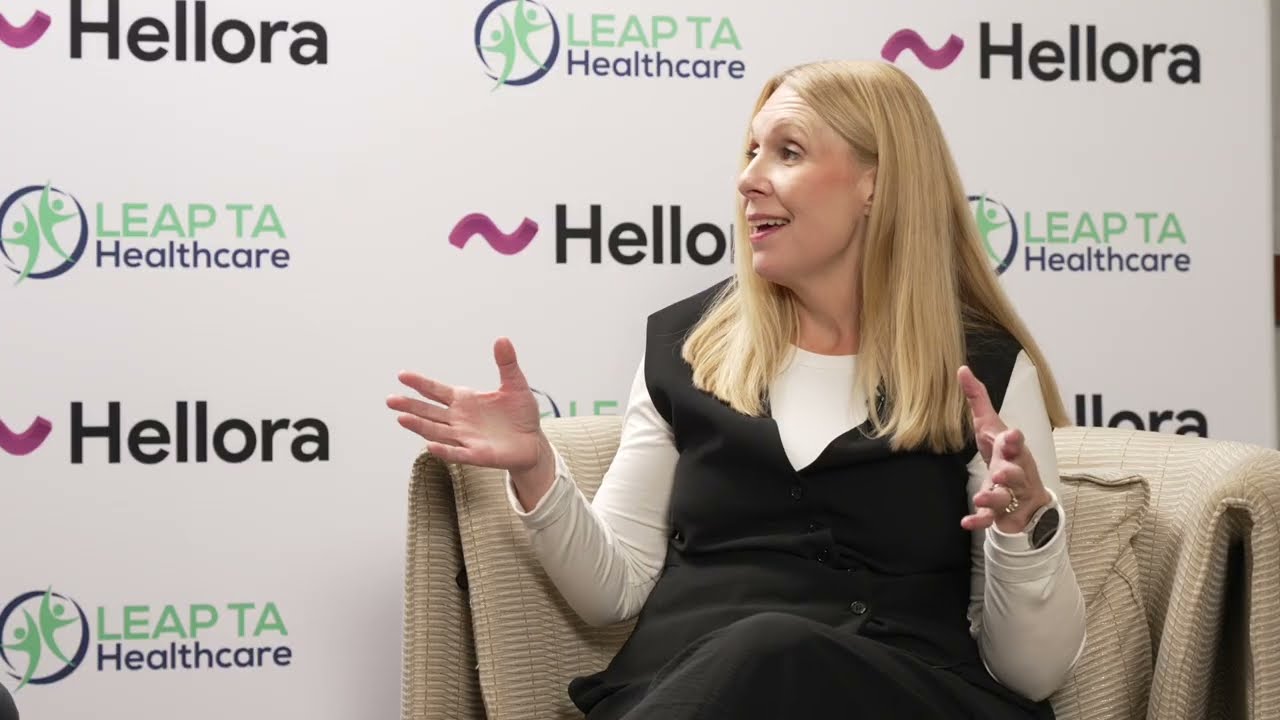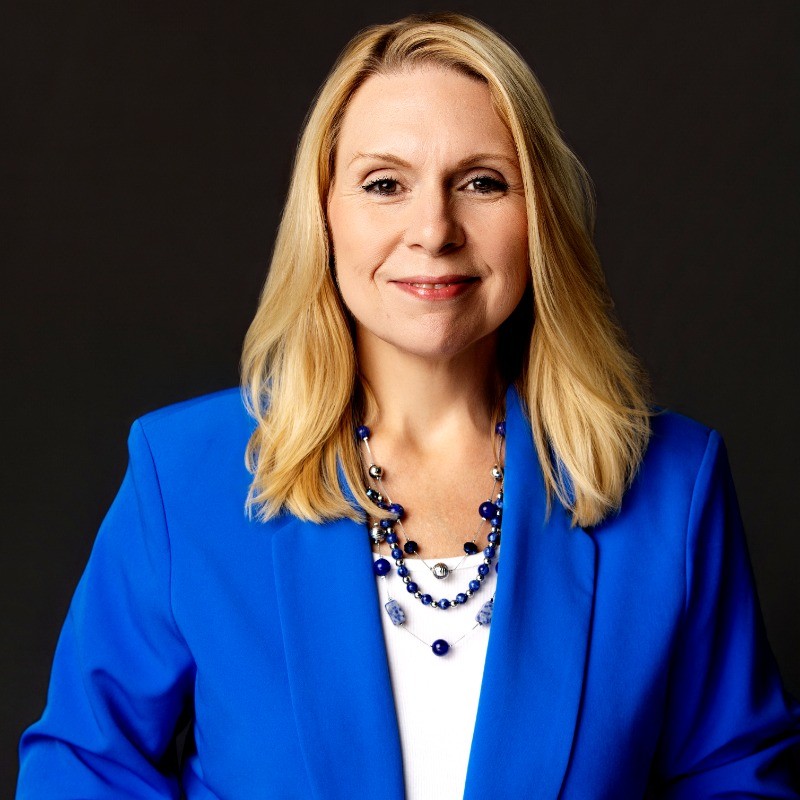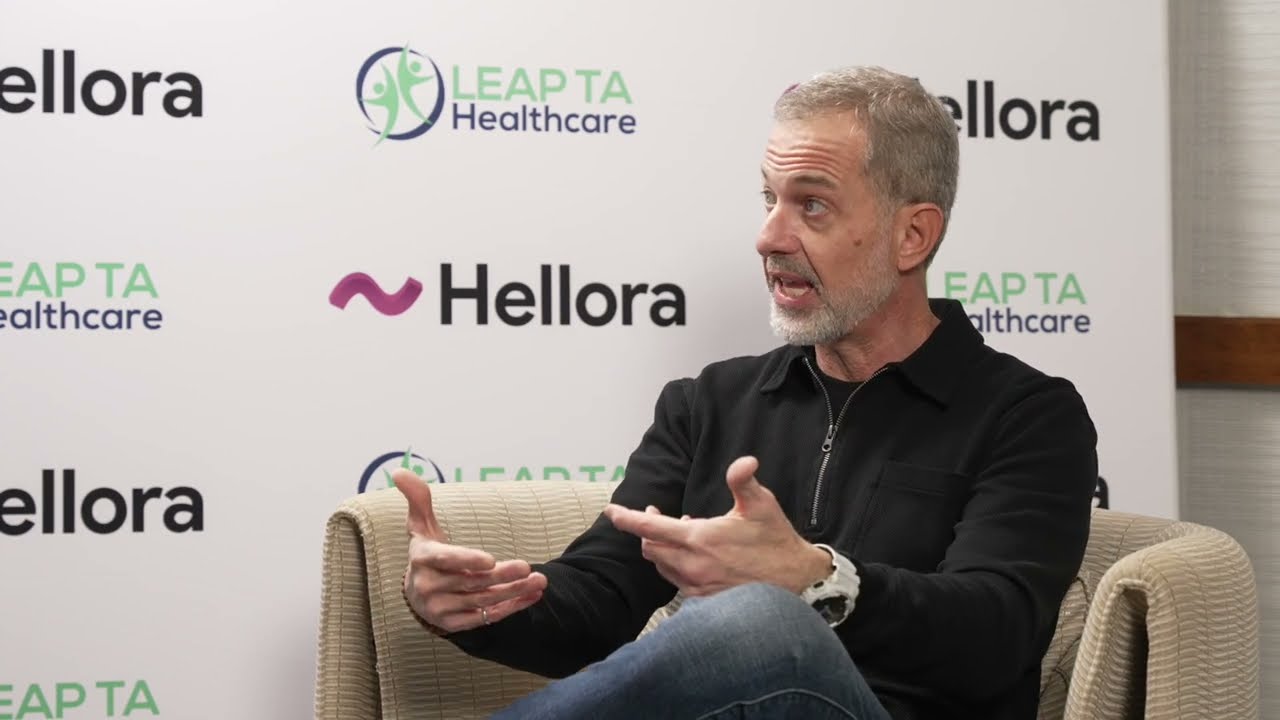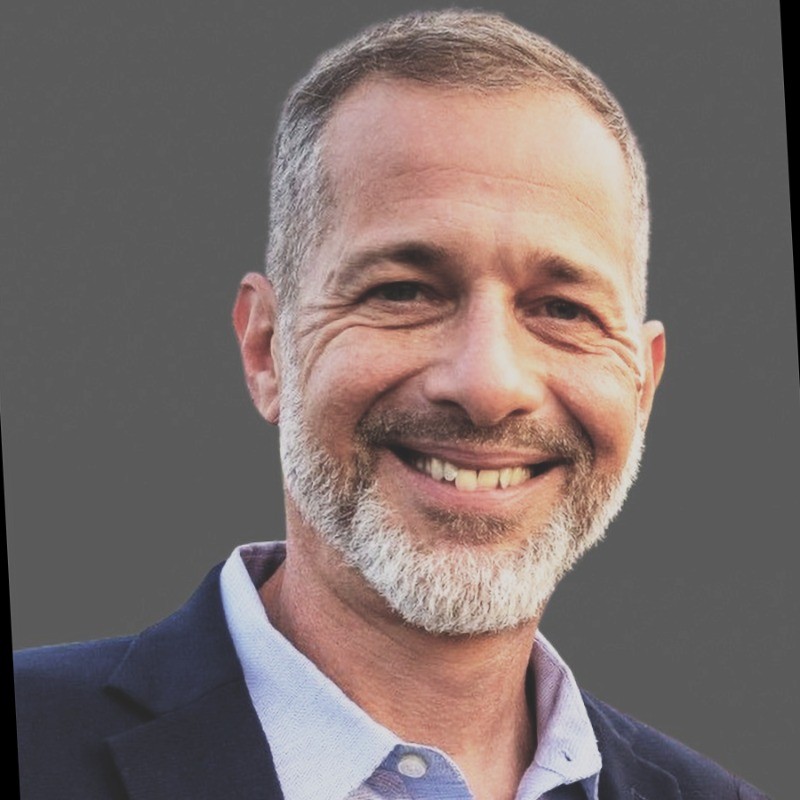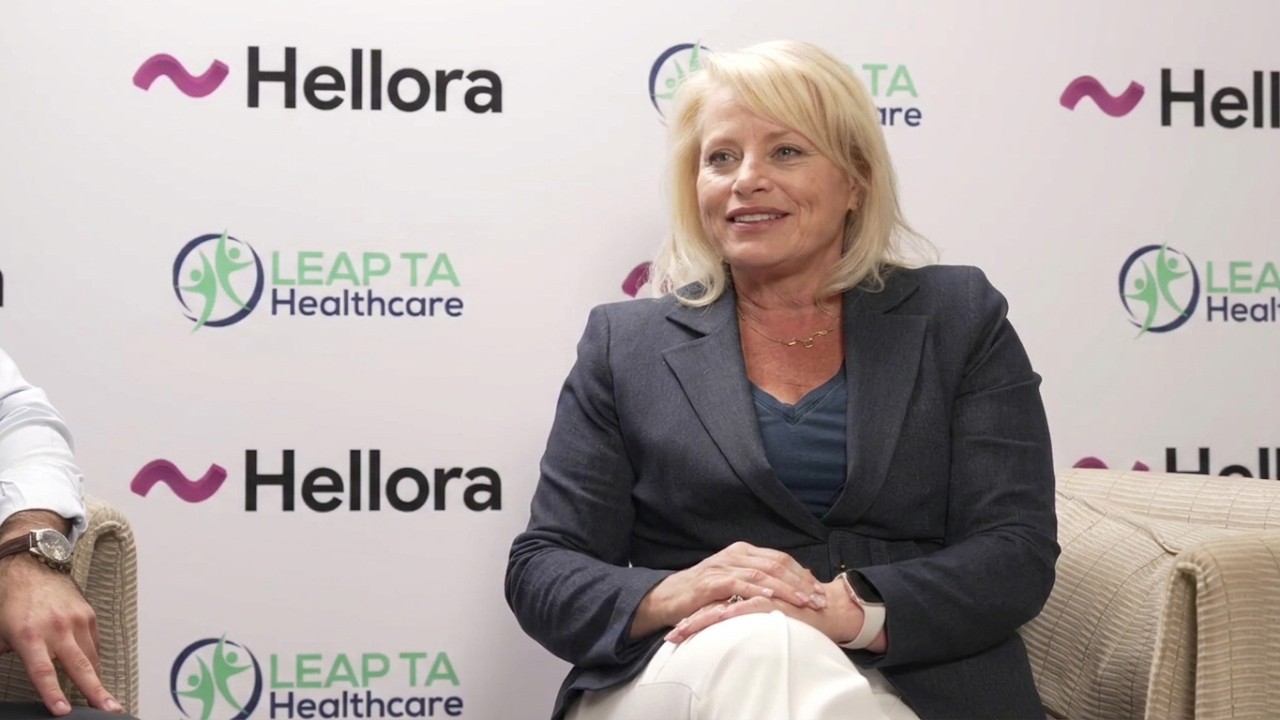
Tawfiq: Hi everyone, I'm Tawfiq, co-founder and CEO here at Hellora. We're at the LEAP TA Healthcare Conference, and I'm with Britt-Angela Ward, more commonly known as BA, from Cape Fear Valley Health System. BA, thank you for joining us.
Britt-Angela: Thank you for having me.
Tawfiq: Absolutely. I know you're leading a session about building a magnetic employer brand and the importance of that. Tell us more.
Britt-Angela: Well, thanks for the question. I work for Cape Fear Valley Health System. We are a rural health system in North Carolina. And one of the issues with rural health is that it's challenging to hire talented, experienced clinical staff. So it was important for us to build a brand that would bring people to Fayetteville, North Carolina. And that meant people had to know who we were.
So we did a lot of work with vendors to increase our employer brand. And most importantly, we had to have an employer value proposition that basically says: come to us. We offer competitive salary, we offer leadership opportunities, and we have paid maternal and paternal leave. Those types of things really resonate with people who are looking for maybe a slower pace of life. In North Carolina, it's a lower cost of living, so your wage goes a little bit further.
But we also said to people that when you come here, we are a community that cares for each other. The greatest opportunity for me was the fact that I work in a community that cares for each other, and it really made a difference.
Tawfiq: Absolutely. And rural America is challenged, especially with the current challenges from the Medicaid and Medicare cuts. It's a big topic. How does that impact how you're doing things today?
Britt-Angela: It greatly impacts how we will do things. They call it the Big Beautiful Bill. It impacts all of healthcare, but especially areas that are rural that really rely on Medicaid and Medicare. For us, our payer mix is mostly Medicaid and Medicare, and there's a little bit of private pay involved there.
But we are the healthcare safety net for our community. In the main hospital, which is over 800 beds, we actually see 125,000 patients a year in our ED, and that's because we are the healthcare safety net for the community. So we are concerned, but you're always creative in healthcare, and we're going to do our best to make sure that we meet the needs of the people who make up our community.
Tawfiq: Absolutely. And it's crucial that you do, because you're serving all these big areas and patients, and rural America healthcare needs to survive. Employer branding: most organizations think about it and have it. What are a few things that, when you were building this, you thought, “Okay, we need to think about this differently, and here's where we're very strong and need to double down”?
Britt-Angela: Well, for us, we really value emerging talent, early talent. We have a very strong campus recruitment team. So we looked at our local college and university partners and we said, how can you partner with us to keep the newly graduated nurses and techs here to continue to build the community? In the past three years, we've hired over 800 newly graduated nurses and techs.
That was something that was really important to the community. But also, when you're a nurse or a tech and you hear that the company you may go to work for values education, or values the people who are coming up, that makes a difference. Last year, I'm really proud that we invested $5 million within the surrounding local education community, and that really makes a huge difference.
So when you say to people, you're not just coming to get a job, this is what we do for the community, it resonates with people. It's not just about a wage. It's also about what your employer values. We value people, and that's how we set it apart.
We are also continuing to expand. When I joined, we were building a tower above the hospital for the critical care wing, and we needed to hire about a hundred nurses. What that did was, again, say to people: join a community that really cares, come look at something new. We're building a new tower, but we're also asking you to come see us and see what we can do for you.
Tawfiq: Very beautiful. So it sounds like one of the things you're focused on is putting your money where your mouth is. You care for the community, and you're investing alongside your education partners to build the talent pipeline. How do you ensure that, as you do that, the talent pipeline doesn't get attracted by someone else?
Britt-Angela: That's a very good question. First of all, by paying competitive salaries. But also by providing clinical ladders and opportunities for them to grow in their career. You can start off as a certified nursing assistant, and we offer scholarships and tuition reimbursement. You can go back to school. Maybe you want to become a PA, a physician assistant, maybe you want to become a nurse, maybe you want to do what I do. We offer opportunities to help people go back to school and create career paths.
Britt-Angela: One of the areas I'm most proud of: this summer, we created a program in conjunction with our largest community college partner, bringing in 14 high school students. It was a nine-week course. The first week, they spent with us and learned about healthcare, whether it's patient-facing healthcare or healthcare like what I do, and they spoke to different professionals within the organization.
Then they went back to the educational partner and studied to become certified nursing assistants. Then they came back to us and did clinicals. And while they were doing that, in conjunction with Cumberland County Public Schools and Fayetteville Technical Community College, we provided them scrubs and shoes, and they had a $1,900 stipend, so it was like they went to work. After that, they sat for the test, and now they're certified nursing assistants who can work with us.
That shows you how we start very early. And they had a positive experience. Our hope is that they'll go into healthcare, whether it's patient-facing or not. They'll study healthcare, they'll come work for us, and they know they're going to have an opportunity to grow.
Tawfiq: Absolutely. So you're not only investing in education, but also in the support alongside that education, whether it's scrubs, shoes, or stipends. There's a shortage of nurses across the country, and everyone's feeling it. One of the things I talked about with other speakers is that at some point, states will get involved in attracting nurses, very similar to tourism campaigns like Visit Texas or Visit California. From your standpoint, the supply within your state or the areas you hire for will only fill so many reqs, even with the new pipeline. What happens to the pipeline you still need?
Britt-Angela: Like other health systems, we have international nurses that help fill that gap, so to speak. And I think there's more work that can be done around that to make sure there's a cultural fit. The way we nurse here is different from the way they nurse in Afghanistan or Saudi Arabia or the Philippines, wherever we're bringing them over from. So what we really need to do, and I say that holistically, is invest in what that looks like. Do we sponsor a school overseas and help start there, and then bring people over? This is America, and we have people from all over. So that might be one way of doing it.
But also, looking at people who want a second career. A lot of times when I've interviewed people in nursing leadership roles, they said, “This is my second career.” So how do we engage people who are working with us now, not patient-facing, not in nursing, who maybe want to go back to school? We allow them to go to school, and then they come back to us and they're in nursing. There are some really creative ways to look at that, and I'm nothing if not creative.
Tawfiq: Absolutely. So you're giving people a reason to trust you as a system: if you can't find what you need right now, we'll equip you with the career you want, whether it's patient-facing or not. And part of that is the employer brand and the EVP you've built.
Tawfiq: Going into 2027, what's top of mind for you?
Britt-Angela: Top of mind is still nursing and techs. Radiology is an area where we've had some challenges. And looking at nursing, both new grads and experienced nurses, is top of mind for me. And then also reskilling and upskilling, making sure my recruiters have the skills they need so they can continue to excel in the job they do.
Tawfiq: Absolutely. Last question: if there's one piece of advice you'd give to other healthcare TA leaders, what would it be?
Britt-Angela: Gosh, that's a good question. Be creative. Don't just follow the trend. Think outside of the box. That has always helped me, because I'm always a creative thinker. So if you have a gut feeling about something, go with that. Try it out. See if it works.
Tawfiq: Awesome. Well, BA, thanks for joining us.
Britt-Angela: Thank you for having me. Always my pleasure.