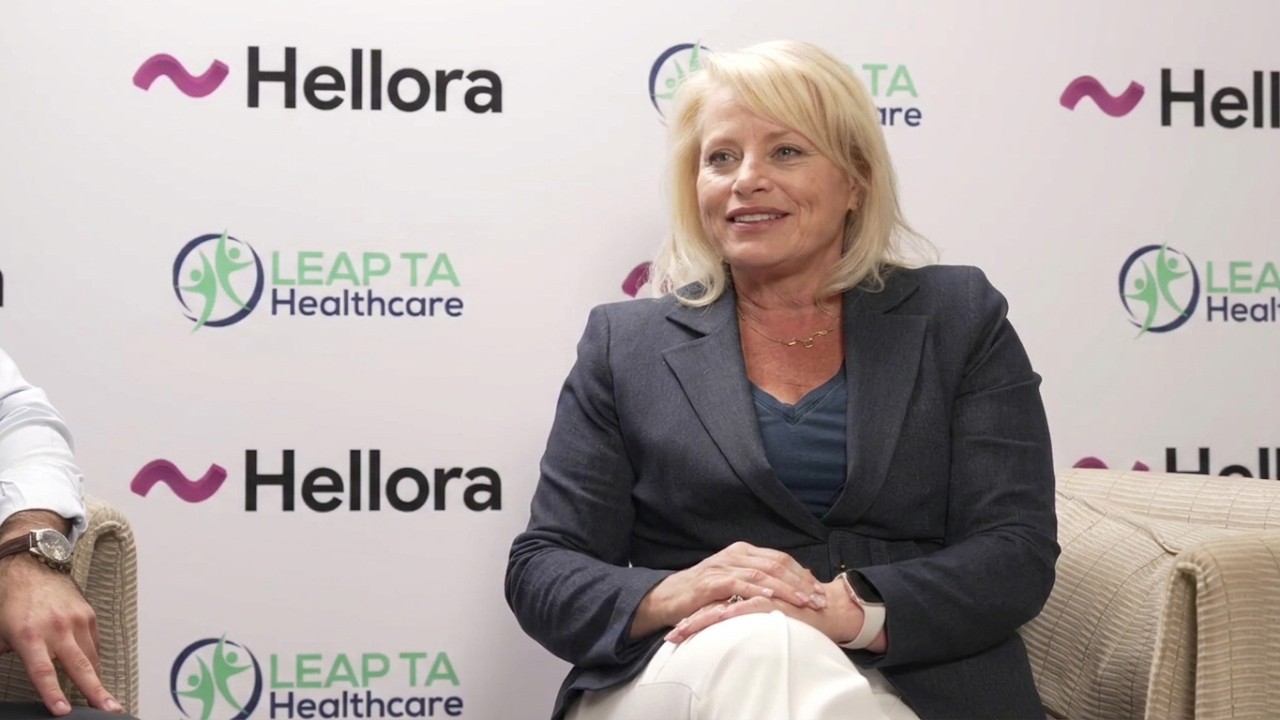
Tawfiq: Hi everyone, I'm Tawfiq, co-founder and CEO at Hellora. We're at the LEAP TA Healthcare Conference, and I'm here with Jason Betts from Emory Healthcare. Jason, thank you for joining us.
Jason: Thank you for having me.
Tawfiq: Jason, you've been leading the restructuring of the nursing residency program at Emory. Tell us more about that.
Jason: I have a vision, and Emory has a vision, of how we can prepare the next generation of nurses coming into the emergency department. We know that new nurses are struggling, with just being in the atmosphere and having the knowledge to work in a very high-paced environment like the emergency department. Finding nurses with almost 30 years of experience like myself just isn't possible anymore. So how do we look at the next generation of nurses and build them into the strong nurses we need to take care of us as we get older?
We've found that these nurses really crave structure. They want structure, they want knowledge, and they want to feel comfortable. They want to know that what they're getting ready to dive into is worth their time. Otherwise, nurses in this generation just move on to the next thing that grabs their attention.
We've had homegrown programs, and they've been great, but they don't keep up with the times or with best practices. Why reinvent the wheel when there are organizations that can partner with us on an evidence-based approach? So working with our talent acquisition teams, we've launched a branded residency program with the Emergency Nurses Association, and it's been phenomenal. It brings structure and up-to-date content for the residents coming in.
Working with our TA partners, we're also going out to recruiting events and advertising the structure of the program: this is what you'll go through, and it will make you the strong nurse you'd see on, let's say, The Pitt with Noah Wyle. That's the perception we fight in emergency medicine. People want to be like Noah Wyle, and emergency medicine isn't always like that. It's not like the movies. So how do we meet the perception of the newly graduated nurse and get them prepared to be just that?
Tawfiq: You've worked with nurses from different generations over your career. What's one thing you're seeing with the upcoming generations where you think, we need to approach this differently?
Jason: This is probably my favorite question. This is the first time ever that we've had five generations in the workplace. How does that work? I think we're all still scratching our heads. But the new generations coming in want communication, they want transparency, and they want to be heard. It's that simple. If you take the time and slow down to give that to them, you'll get a lot more.
The old “we've always done it this way” has died off, especially with these generational changes. Newer nurses are more comfortable with technology than older generations, and they know how to get things done quicker and smarter rather than working harder, which is what Gen Xers like me are used to. We're used to running and doing things the hard way.
Tawfiq: I thought you were a millennial.
Jason: No, I wish I was.
Tawfiq: We heard a lot about purpose at this conference. With new generations, it seems important to connect your own purpose with what you do day to day. How does that relate to what you're doing at Emory?
Jason: Where we're really focused is helping people find that purpose. When you cultivate somebody, provide what they want, and help them find what they want, you get a much better healthcare system. Right now, we're often plugging people into areas that may not fit their purpose or what they're meant to be doing.
We see applicants come in and say, “I want to be in emergency medicine because I love the rapid pace.” That's actually the wrong way to look at it. I need people who are compassionate and empathetic in the most terrible situations a person faces when they come into the emergency department. So we say, I love the enthusiasm, but let's dig deeper into what's really driving that. And if this area isn't working for you, what area would be best? In healthcare, we have to start moving people into the areas that are best for them. It's not a plug-and-play system anymore.
Tawfiq: That's an important point. Some people might not be a good fit for the role they want, but they could be a great fit somewhere else in the hospital. A lot of organizations treat it as a yes or a no, and then they lose that person. When someone in your ED residency program isn't a fit, how do you hand them off to other teams?
Jason: Great question. We have weekly check-ins with the residents. We narrowed it down to weekly because we lost touch otherwise. We focus on what the struggles are, how they feel about where they are, and where we see them fitting. If we find a disconnect and it's probably not the best fit, we connect them with other areas of interest and move them into another residency program, whether that's from emergency medicine to critical care or to med-surg. We work hand in hand, because we're just hurting ourselves if we stamp a no on someone.
Tawfiq: And then you've lost a potential nurse you could have had in a different department.
Jason: Absolutely. Our leaders are growing in that area and understanding that if you help me over here, I'll help you later. We see it both ways. Med-surg nurses tell us they'd rather be in the emergency department, and we're training them up too.
Jason: My biggest vision is that we should be able to take people from any position in healthcare and mold them into who they want to be, driven by their purpose. When I started almost 30 years ago, you needed many years of med-surg experience before you could work in an emergency department. Those days are gone. We can't find enough skilled emergency department nurses. So looking at people coming from long-term care, from med-surg, from all these other specialties, and helping them become what they want to be, I think is key.
Tawfiq: Going into 2027, there's a lot to solve. What are some goals you want to achieve next year?
Jason: That's a long laundry list, but I tell my teams all the time that our biggest challenge is meeting patients' perceptions when they walk in the door. They want timely, quick care, and they want to be involved in their care. So this year, we're focused on continuing to hone our processes in emergency medicine to get patients cared for quickly, communicate clearly, and help them along the way, especially with a growing population of older patients who don't always understand the next steps. There are CMS regulations coming in 2028 that will start penalizing emergency departments on turnaround times. We've always talked about this, but now it's time to put it into action.
Jason: You haven't asked, but I'll tell you that our emergency department has done a lot of work in that space. We don't have a waiting room. We see 84,000 visits a year, and we don't have a waiting room. Our door-to-doctor time is less than eight minutes, and our turnaround time to get patients out the door is 207 minutes. So we feel confident in where we are, but it's still not enough. Patients still want to get out quicker.
Tawfiq: Final question. What's one thing other teams or leaders aren't looking at that you feel they should be?
Jason: I think they're not looking at the full picture. Right now in healthcare, we're trying to solve for tomorrow, or even just today. We need to be looking years ahead, because what's happening today will be totally different. Technology is moving so quickly that it's hard to keep up in healthcare. So leaders need to be more in tune with technology and how to lead through it, to make their lives simpler as leaders and also for their teams.
Healthcare is a little resistant, because we're always saying, that's not how we've done it. But we have a generation of people saying it needs to change. So don't be afraid to leap, don't be afraid to jump into technology, and just say, let's give it a try, what's it going to hurt? Using that innovation is where we need to go with healthcare and healthcare leadership.
Tawfiq: Jason, thank you for joining us and for sharing your experience.
Jason: Thank you.