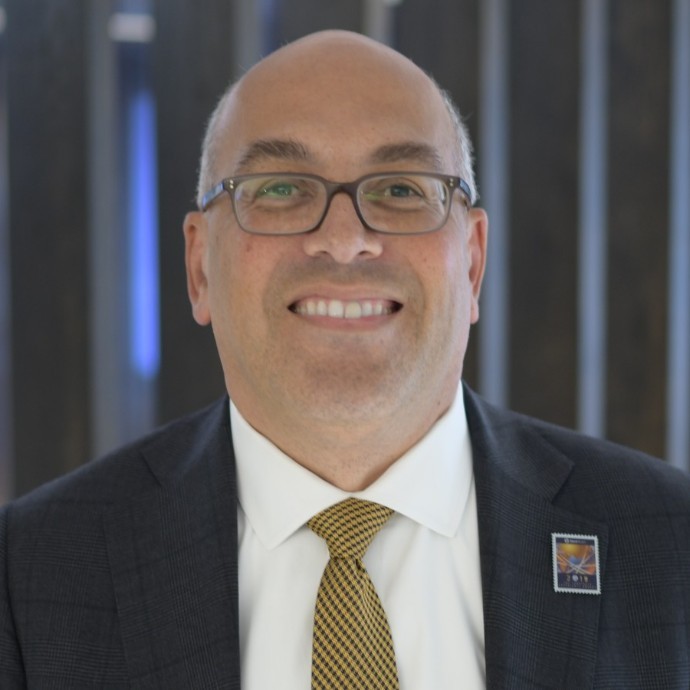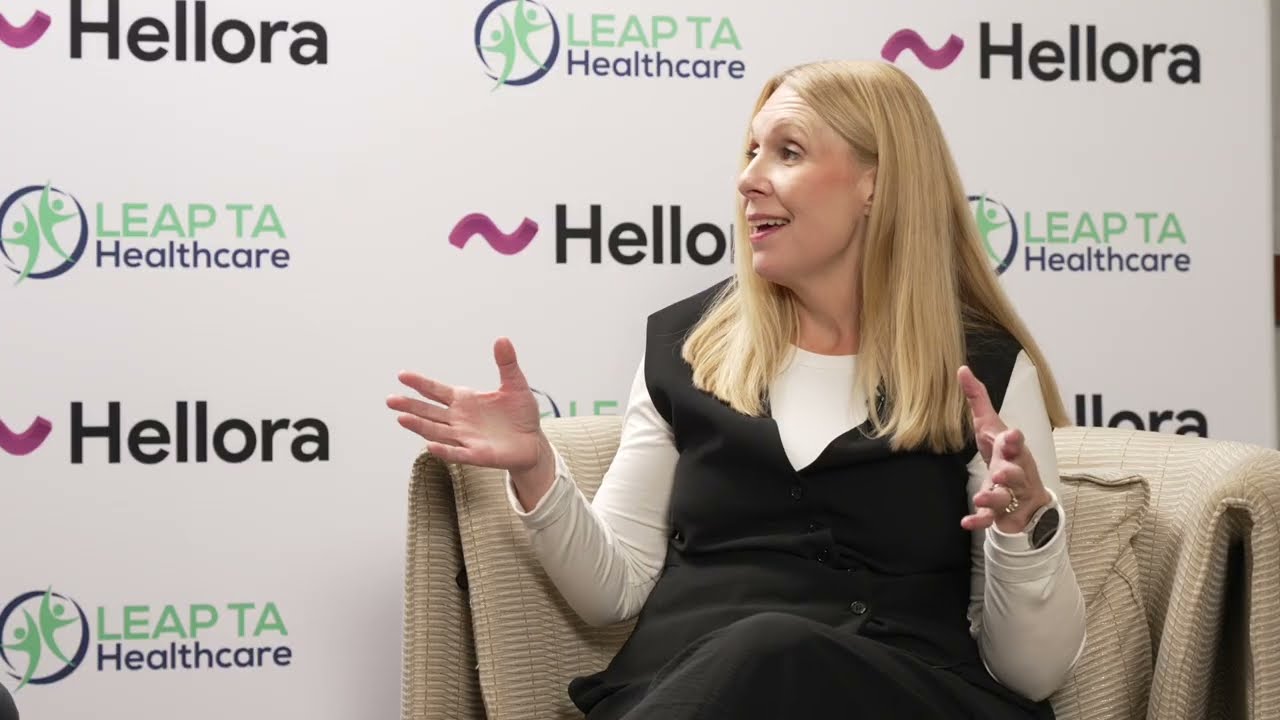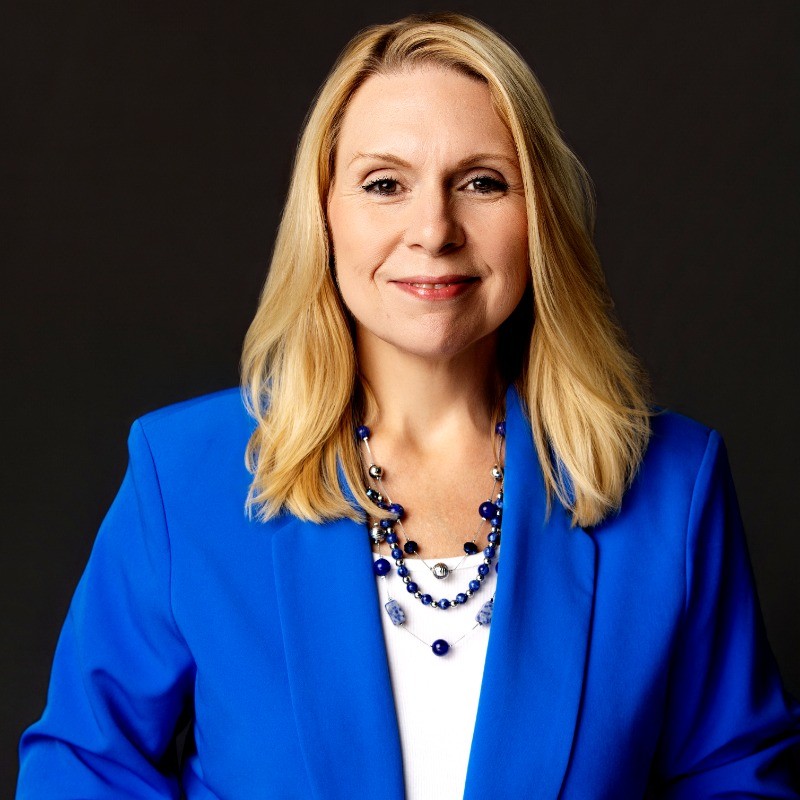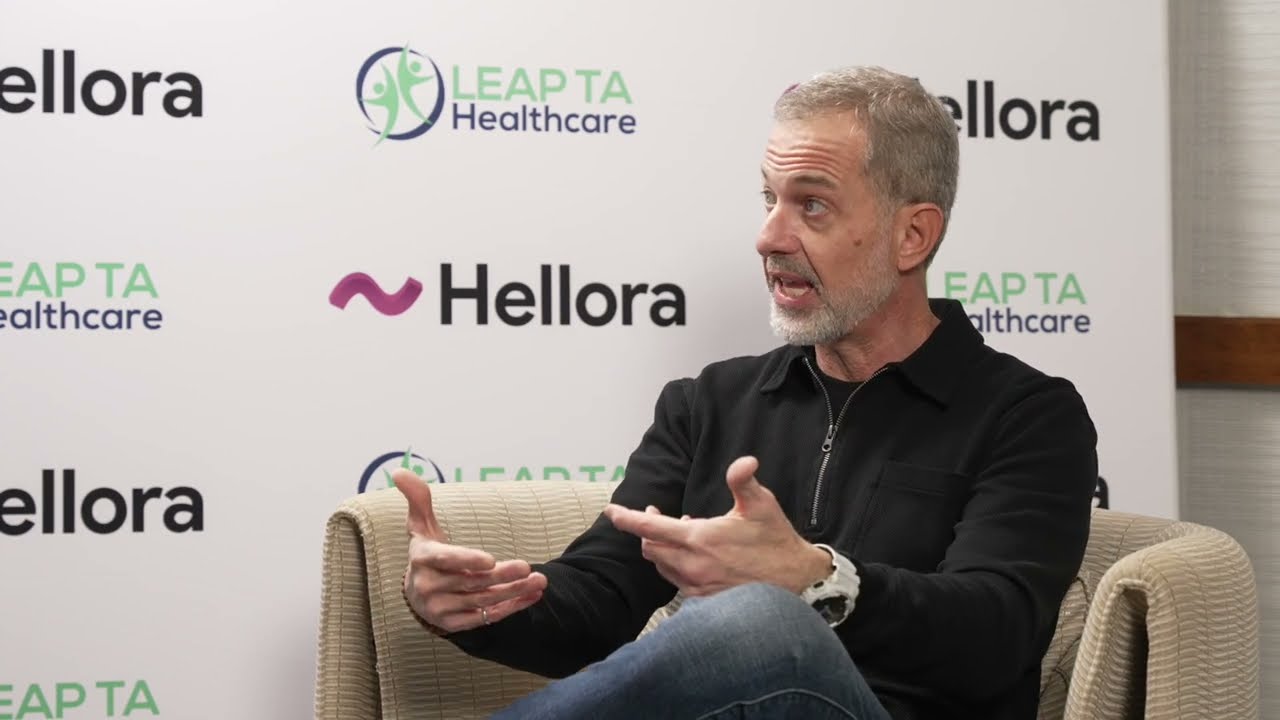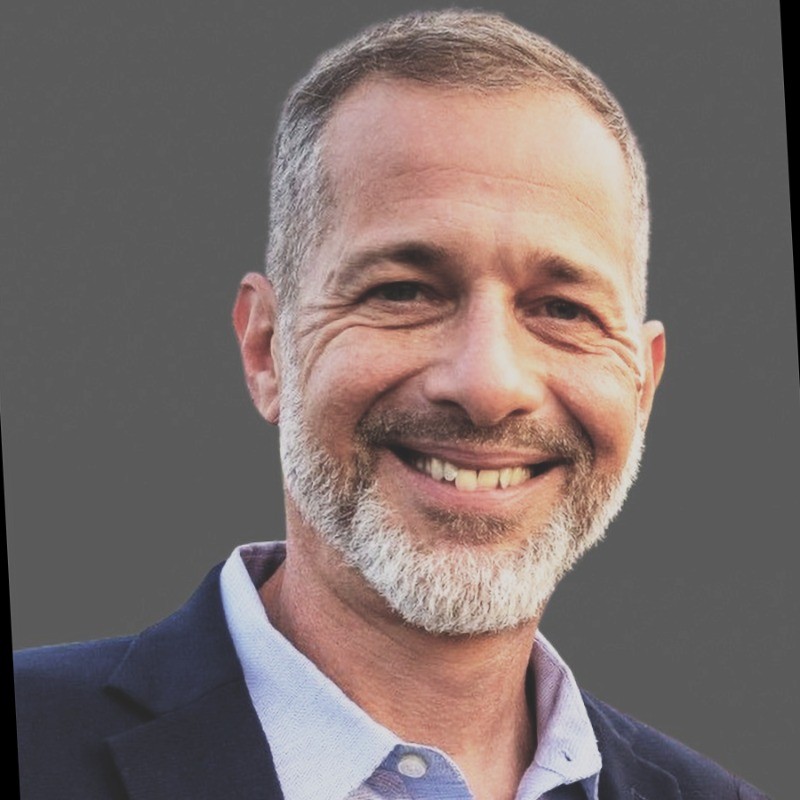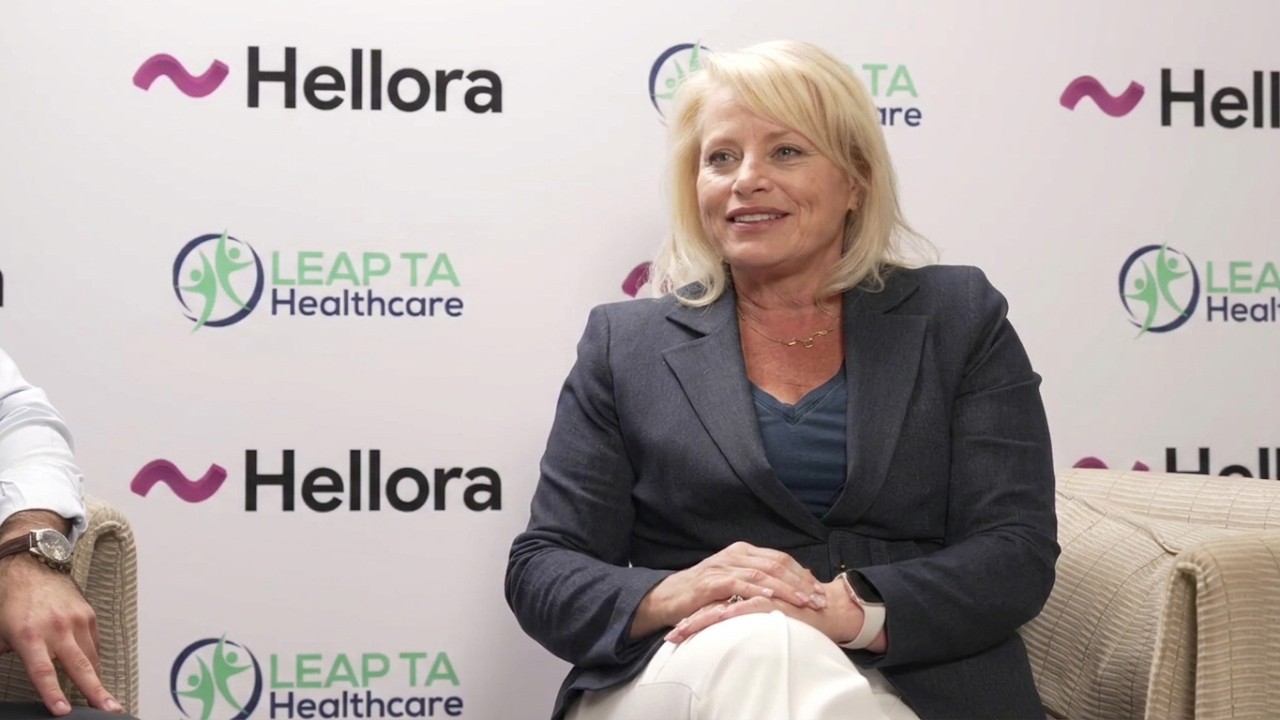
Tawfiq: Hi everyone, I'm Tawfiq, co-founder and CEO here at Hellora. We're at the LEAP TA Healthcare Conference, and I'm with David Crawford from NewYork-Presbyterian. David, thank you for joining me.
David: I'm glad to be here.
Tawfiq: David, you spoke about how NewYork-Presbyterian uses AI to improve recruiter efficiency and move candidates through the process faster. Can you tell us more about your session?
David: It's primarily used for screening. It's an artificial intelligence interview agent. When a person applies and we want to learn more about their clinical competencies in nursing, we use questions from our chief nursing officers about what they're looking for. The nurse receives the interview by text message and speaks for about 10 to 15 minutes. The questions are open-ended, and we evaluate the responses to see whether they're qualified for that particular job.
Tawfiq: A lot of people get sensitive when they hear AI, saying it takes the human out of recruiting. Did you face those questions when you deployed it, and how did you overcome them?
David: We were pressed for time. We had to screen candidates rapidly during the last two weeks of December, when people aren't around. What we found is that it's a lot easier. Within 72 hours, we screened about 85% of the people under consideration for that position. Recruiters found it helped with the number of applications. You can't screen everybody. For a number of our requisitions, we receive 200 to 300 applicants. You can't possibly screen all of them. So filtering based on clinical skills was very advantageous for our recruiters. It handles work that's very time-consuming and lets them focus on the most relevant candidates.
Tawfiq: So recruiters get to the best candidates first and form that human connection with the top people, instead of spending a lot of time screening everyone.
Tawfiq: NewYork-Presbyterian has a really strong brand. How does that help you compared to other health systems?
David: One thing that's unique is that we're affiliated with two academic medical centers, Weill Cornell Medicine and Columbia. That brand, through the care we provide, puts us in the top 20 of U.S. News & World Report and makes us the number one hospital in New York City. But that's the patient standpoint. From an employer standpoint, we're very proud to have been Great Place to Work certified for nine years, and we routinely show up on best-places-to-work lists from Forbes, Fortune, Newsweek, People, and Computerworld. As I've focused on the employer brand, it really resonates with people. Sometimes people have been patients or know people who've worked at NewYork-Presbyterian, but there has to be an aura around a company that helps people feel this is a great place to build a career.
Tawfiq: At a previous conference, you talked about talent pipelining and bringing more people into the workforce. The US is expected to face a shortage of 500,000 nurses by 2037, which is a problem for everyone. If there's no supply, it doesn't matter who's winning at talent attraction. What should organizations focus on to keep bringing people into the workforce?
David: There are a number of things. First, NewYork-Presbyterian has a very low vacancy rate for nurses, about 2 to 3%. I'm very proud of that, and a lot of it speaks to our brand and the careers we offer. We're a learning organization with the most complicated cases, which helps. That said, there has to be a pipeline. You have to offer externships and focus on partnerships with schools, universities, and community-based organizations.
David: I'm a true believer that you cannot be an effective recruiter just sitting on Zoom and Teams behind a laptop at a desk. My recruiters have to be out and about, talking to people face to face. No one establishes a relationship with an organization through a screen. Being in person is making a significant difference in our hiring.
Tawfiq: And today you're doing in-person interviews with candidates?
David: Definitely. When you interview virtually, you can have a virtual background, and you don't see the dynamics of the department or who you'd work with. People also interview differently. They're more comfortable in their own environment. Once they're in our environment, they're a little more uncomfortable, but that shows who they really are and how they adapt, and whether this is the kind of place they want to work. As a candidate, it's always helpful to watch the sidebar conversations, the dynamics between people, and what it's like during downtime. That observation is really instrumental in the process.
Tawfiq: How do you maintain relationships with candidates who say, I'm not ready to move now, but I know NewYork-Presbyterian is a great place to work? How do your recruiters keep those relationships warm?
David: We're now using a candidate relationship management system for that. Before, we only had an applicant tracking system, which tracks requisitions and processes people who are about to be hired. But how do you focus on candidates when it might not be the right opportunity for that job, or they have a personal situation and need to pull back for a while? So we run routine campaigns. If we think a candidate is good, so does someone else. I want people to stay in touch with our organization and our recruiters. I'm fortunate to have very low recruiter turnover on my team, which means recruiters build relationships, and candidates know they can go back to that recruiter at some point. It's all about relationships. That's what we do, and there's no substitute for that with AI. There just isn't.
Tawfiq: Last question, David. What's one key takeaway from the LEAP TA Healthcare conference?
David: A lot was said about artificial intelligence, but the thing coming through is that there's a human side to everything we do. People use ChatGPT, Claude, and other tools to decide what to eat for dinner, where to go on vacation, or what gifts to buy. They're using it anyway. It becomes: how can I be more intelligent about what I'm doing, cut to the chase, and be more organized? That's what these products offer. But it comes down to how it will enhance my life and make things easier for me. That's the benefit people mean when they talk about the human element: enhance what I'm doing and make it better, so I don't have to struggle. That's what I'm taking away.
Tawfiq: Amazing. David, thanks for joining us. It's been a pleasure.
David: Thank you again. I enjoyed the conversation, and I'm glad we did this.